
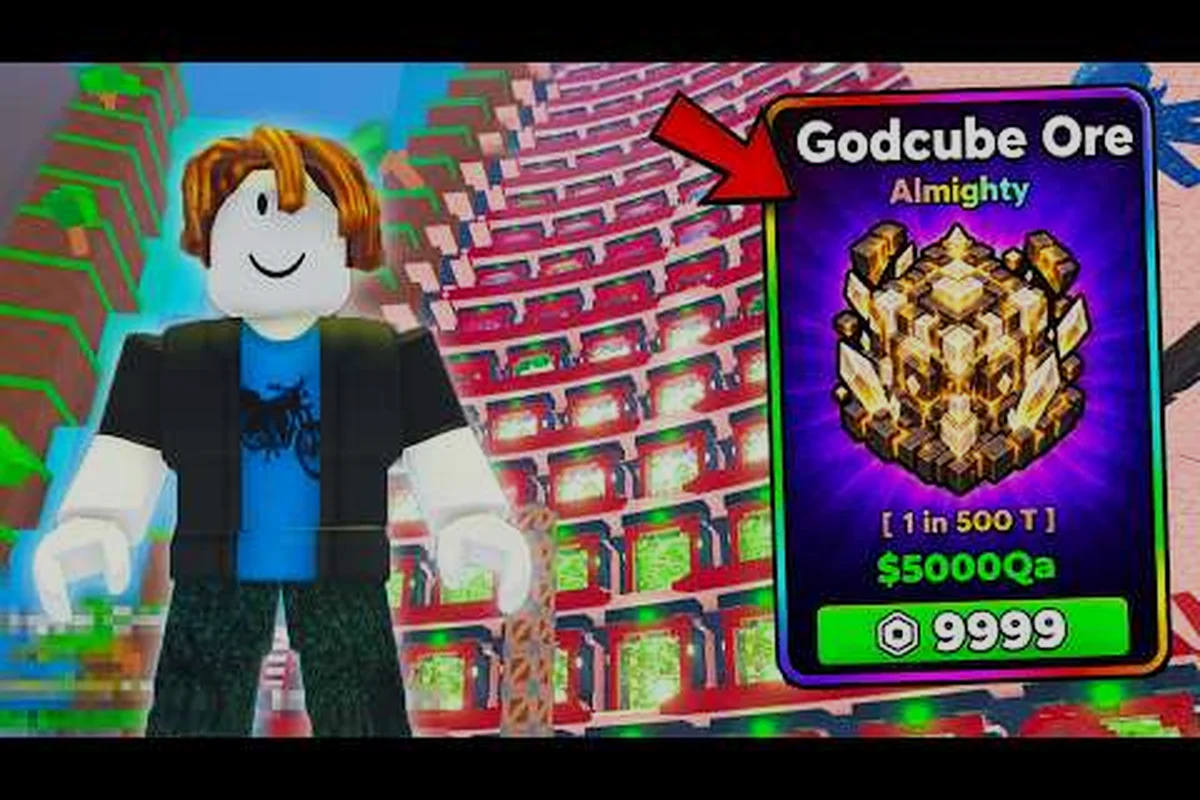
Sell Ores common ores form the foundation of your entire economy in the Roblox incremental sim by The Ore Drillers, and understanding the gap between those baseline drops and the high-tier paydays is the single fastest way to climb the value curve. The official Sell Ores listing on Roblox describes the ore tiers as a clean ladder that climbs from cheap starting cash through to the Divine Crystal, the ultra-rare drop that "makes you rich in one sale," and that framing shapes every decision a new player makes about what to mine, what to hold, and what to cash in immediately. With the right read on the value ladder, even a stack of starter coal or a lucky emerald pull can be the difference between a stalled base and a real compounding engine.
The Value Ladder: How Sell Ores Common Ores Compare to Mythic and Divine Crystal Drops
The core of any Sell Ores progression strategy is understanding the ore value ladder — the way sell prices scale as you climb from common finds up through legendary, mythic, and the legendary Divine Crystal at the very top. The official game description positions the tiers as a clean four-stage climb: common ores for cheap starting cash, rare ores for higher sell prices, legendary and mythic for top-tier value, and the Divine Crystal as the long-tail ultra-rare that veteran players farm for entire seasons. Each rung on that ladder changes not only the per-unit payout but also how you should treat the ore in your inventory.
The game tracks ore collection through an oredex-style progression system, which means the longer you play, the more your baseline shifts — what counted as a "great pull" in your first hour becomes pocket change once you have a fleet of drones chewing through higher floors. Community data reported by players on YouTube and Discord threads indicates that 0.01% spawn-rate ores like the Divine Crystal can take hundreds of hours of active play to surface even once, which is why most players treat them as long-term goals rather than reliable income. If you want a deeper walkthrough of the exact spawn numbers and oredex tracking, the Divine Crystal farming guide breaks down the drop math in detail.
| Tier | Example Ores | Typical Role | Sell Strategy |
|---|---|---|---|
| Common | Coal, Stone, Iron, Copper | Cash flow and early upgrades | Sell immediately |
| Rare | Emerald, Ruby, Sapphire, Diamond | Mid-game revenue spike | Hold briefly, sell before big upgrades |
| Legendary | Top-tier rare gems | Late-game payouts | Hold for price confirmation, then sell |
| Mythic | Endgame ores | Massive single-sale payouts | Hold until price is verified |
| Divine Crystal | Divine Crystal ore | Long-term ultra-rare goal | Hold as trophy, sell at peak value |
The single most important takeaway from the ladder is that common ores are not worthless — they are the floor that funds everything above them. A player who skips common drops to chase only high-value finds will struggle to afford the drone and base upgrades that make higher-tier farming possible, which is why even veteran players sell common ore inventory in batches before any major base expansion. The same logic works in reverse: hoarding common ore "just in case" ties up inventory slots that could be used for more valuable finds, and the official game data recommends selling common ores immediately to keep cash flowing.
Why the Common Tier Still Matters in 2026
Sell Ores common ores are often dismissed as filler, but the game's economy is designed so that the early-game cash pipeline is entirely built from them. Every drone upgrade, every floor unlock, and every base slot expansion is paid for in cash generated by selling low-tier finds, which means the speed at which you can convert common ore into money directly controls how fast you climb the value ladder. Community testing shared on Reddit and YouTube suggests that players who sell common ore immediately and reinvest the cash into drone speed upgrades reach the rare and legendary floors roughly 30-40% faster than players who hoard, because reinvested capital compounds across the entire upgrade tree.
The other reason common ore matters is inventory pressure. The game limits how much ore you can carry at any one time, and common ore fills those slots faster than anything else, so letting it pile up actually blocks you from holding the rare and legendary finds that matter more. Selling common ore in batches of 20-50 stacks the moment your inventory starts to feel tight is a habit that experienced players develop in their first hour and keep for the rest of their save file.
Common Ores vs Rare Ores: Where Emerald and Ruby Actually Sit
Sell Ores common ores sit at the bottom of the value ladder, and the first step up is the rare tier — ores like emerald ore, ruby ore, sapphire, and diamond. These are the first finds that meaningfully change your per-sale payout and the first drops that experienced players actually pause to think about before cashing in. The official Sell Ores page treats rare ores as the bridge between "cheap starting cash" and "top-tier value," which is accurate for most of the player base, though the exact ratio between common and rare payouts shifts as you unlock higher floors and better drones.
The rare tier is also where sell timing starts to matter. Common ore is almost always a "sell now" decision because the per-unit price is low enough that price swings don't move the needle, but rare ore prices can vary enough based on the current server, the in-game event cycle, and your upgrade state that a poorly-timed sell can cost you a meaningful chunk of cash. The general rule of thumb reported by community testing is: if the rare ore is needed to fund an upgrade you can do right now, sell it; if you can afford to wait, hold it until you understand its price on your server.
| Ore | Tier | Approx. Relative Value | Best Use |
|---|---|---|---|
| Coal | Common | 1x baseline | Drone fuel and starter cash |
| Iron | Common | 1.5x baseline | Bulk sales, first drone upgrades |
| Emerald | Rare | 8-12x baseline | Mid-game upgrades, batch selling |
| Ruby | Rare | 10-15x baseline | Pre-expansion cash stockpile |
| Sapphire | Rare | 12-18x baseline | Drone tier upgrades |
| Diamond | Rare | 15-25x baseline | Base expansion funding |
How Rare Ores Fund the Leap to Legendary
The leap from rare to legendary ore is the single biggest jump in the value ladder, and it's almost entirely funded by careful selling of emerald ore, ruby ore, and the other rare drops. The reason is that legendary ore finds are rare enough that you cannot rely on them to cover your upgrade costs, while rare ore finds are common enough that you can plan around them. Community data from long-running save files suggests that the most efficient path to the legendary floor is to treat every rare ore find as a discrete budget event — sell it, bank the cash, and apply that cash directly to the next drone or base upgrade that moves you up the value ladder.
This is also where the official advice to "sell strategically instead of hoarding low-value ores" intersects with the rarer advice to "keep rare finds until you understand their price." The strategy is not contradictory: sell common ore immediately, but treat rare ore as a price-discovery exercise. Sell a small batch first to learn the current server price, then either hold the rest for a better moment or commit the proceeds to upgrades. If you want a fuller picture of the ore value curve and how each rare find fits into the larger ranking, the Sell Ores ore tier list lays out the full ladder in ranked form.
Legendary and Mythic Ores: The Late-Game Money Makers
Sell Ores legendary ore and mythic ore drops are where the value ladder stops being about cash flow and starts being about single-sale windfalls. These are the finds that veteran players post about on community channels — a single legendary pull that funds the next three base upgrades, a mythic drop that pays for a major floor expansion. The official game description explicitly calls out legendary and mythic as "top-tier value," and the community consensus is that these are the ores that actually move the needle on the late-game leaderboard.
The trade-off with legendary and mythic ore is scarcity. You will see far fewer of them per hour than you see common ore, and the variance between sessions is high — a two-hour farming run might produce zero legendary drops, while a lucky ten-minute run on the right server might surface two or three. This is why the official guidance is to keep rare finds "until you understand their price, then sell at the best moment," because the per-unit value of a legendary ore is high enough that selling at a bad time can cost you a meaningful percentage of the eventual payout.
| Tier | Example Role | Per-Find Cash Impact | When to Sell |
|---|---|---|---|
| Legendary | Big single-sale payout | Funds 2-4 major upgrades | After price confirmation |
| Mythic | Late-game windfall | Funds an entire expansion phase | Hold for peak price |
| Divine Crystal | Ultra-rare trophy find | Trillions in a single sale | Hold indefinitely until needed |
The other key difference between legendary ore and mythic ore is how they interact with your base. Legendary ore finds are frequent enough that they should be planned into your upgrade budget, while mythic ore finds are rare enough that they should be treated as surprise windfalls. Community testing reported by players on the Sell Ores Discord suggests that the most successful late-game players budget around expected legendary income and treat mythic drops as bonus capital that gets reinvested into the next major floor unlock. If you want a side-by-side comparison of the highest-value ores in the game, the most expensive ore ranking breaks down the top of the value curve.
Mythic vs Divine Crystal: Two Different Endgames
The endgame of Sell Ores splits into two parallel goals: farming mythic ore for reliable massive payouts, and chasing the Divine Crystal for the ultra-rare trophy find. The official Roblox game page frames the Divine Crystal ore as the "ultra-rare ore that makes you rich in one sale," and community videos about the "RAREST ORES" in the game treat it as the long-term goal for veteran players. Mythic ore, by contrast, is the practical endgame — rare enough to be exciting, common enough to be a real income source.
A useful mental model is that mythic ore is the "salary" of the late game, while the Divine Crystal is the "lottery ticket." You should build your base and drone setup to maximize mythic ore output, because that is what actually pays the bills at the endgame, and treat every Divine Crystal find as a milestone that you sell only when you have a specific massive upgrade in mind. Hoarding Divine Crystals indefinitely is a common trap, and the official guidance to "always sell before a big base upgrade so you can afford the expansion" applies even to the rarest finds in the game.
Sell Strategy: When to Sell, When to Hold, and How to Maximize Profit
The single most common question new players ask is some version of "should I sell this ore now or hold it?" and the answer depends on which tier the ore belongs to, what your current cash state is, and what upgrade you are saving for. The official Sell Ores page gives a simple version of the rule: sell common ores immediately, keep rare ores until you know their price, and always sell before a big base upgrade. That rule holds up across community testing, but there are several practical refinements that experienced players layer on top of it.
The first refinement is the batch selling habit for common ore. Instead of selling one stack at a time as it fills, batch your common ore sells into groups of 20-50 stacks. This does two things: it reduces the number of individual sell transactions you have to manage, and it gives you a natural rhythm for reinvesting cash into upgrades. Community testing on the Sell Ores subreddit suggests that batch selling common ore in larger chunks is one of the smallest habit changes that produces a noticeable difference in upgrade cadence.
The second refinement is the price-confirmation sell for rare ore. Before committing your full rare ore inventory to a sale, sell one unit first to confirm the current server price. The game has enough price variance between servers and update cycles that a confirmation sell protects you from selling at a temporary low. Once you have confirmed the price, you can either sell the rest immediately or hold for a better moment, depending on your cash needs.
| Ore Tier | Sell Pattern | Hold Time | Reinvest Trigger |
|---|---|---|---|
| Common | Batch sell 20-50 stacks | Zero | Immediately reinvest |
| Rare | Price-confirm first | Hours to a day | Before next big upgrade |
| Legendary | Hold for peak | Days to a week | When price peaks or upgrade is ready |
| Mythic | Trophy hold | Until needed | Specific expansion in mind |
| Divine Crystal | Long-term hold | Weeks to months | Major expansion or event window |
The third refinement is the pre-upgrade sell window. The official advice to "always sell before a big base upgrade so you can afford the expansion" is not just about having enough cash — it is about converting ore inventory into liquid capital at the moment you need it most. Holding ore through a major expansion is one of the most common ways that players stall their own progression, because the ore in your inventory is not doing anything for you while the upgrade you could have afforded is locked behind a cash wall.
The Sell Timing Trap Most Players Fall Into
The most common sell timing mistake is selling too early on rare ore because of cash pressure, then watching the price climb 20-30% the next day. The fix is to build a small cash buffer specifically for these moments — keep 2-3 major upgrade costs worth of cash in reserve from common ore sales, so that when a rare ore find lands, you can afford to hold it for price confirmation without stalling your progression. The buffer does not need to be huge, but it needs to be intentional, and the players who run a buffer consistently are the ones who reliably catch the best rare ore prices.
The opposite mistake is holding rare ore too long while waiting for a mythical price peak that never comes. Rare ore prices do fluctuate, but the variance is small enough that holding for more than a day or two rarely pays off. The exception is when a server event or patch cycle is about to shift prices, in which case holding for 24-48 hours can be worth it, but the default behavior should be to sell rare ore within a session or two of finding it.
Building Your Ore Encyclopedia and Tracking Long-Term Value
The final piece of the value ladder puzzle is building your own ore encyclopedia — a running record of what you have found, what you sold it for, and how that price changed over time. The game has its own oredex-style collection tracker, but a personal log gives you the context that the in-game tracker does not: server-specific prices, time-of-day patterns, and how each ore tier fits into your personal upgrade rhythm. Community data reported by long-time players suggests that the players who keep any kind of personal log — even a simple spreadsheet — climb the value ladder noticeably faster than players who rely on memory alone.
The other reason to track your ore finds is that the Sell Ores common ores you dismiss in your first session can become meaningful income sources later in the game, once you have the base upgrades to mine and sell them in volume. A common ore that sold for pocket change in hour one can become a real revenue stream in hour fifty, because the multiplier on common ore payouts scales with your base and drone upgrades. Tracking which common ores you have found, and at what prices, gives you the data you need to know when the value curve has shifted enough to revisit your early-game selling assumptions.
| Ore Type | Hour 1 Value | Hour 50 Value | Strategy Shift |
|---|---|---|---|
| Coal | Trivial | Steady side income | Sell in larger batches |
| Iron | Trivial | Reliable mid-tier cash | Stop selling one at a time |
| Emerald | Big find | Routine revenue | Sell in planned batches |
| Ruby | Lucky pull | Regular find | Treat as upgrade budget |
| Mythic | Unheard of | Major income source | Plan around mythic drops |
| Divine Crystal | Unobtainable | Possible once a season | Hold as long-term asset |
For a full reference of every ore in the game and where each one sits on the value curve, the complete Sell Ores ore list covers every findable ore with its tier, role, and typical sell pattern. Pairing that reference with your own personal log is the fastest way to internalize the value ladder and start making sell decisions automatically rather than guessing.
The Long Game: How Ore Value Shifts Across Patches
Sell Ores updates have shifted the value curve more than once since launch, and the 2026 patch cycle has been particularly active — the game description on Roblox was updated as recently as September 5, 2026, and community testing on the official Sell Ores Roblox page tracks the meta shifts that come with each patch. Common ores sometimes get buffed to make early-game progression faster, and legendary or mythic tiers occasionally get rebalanced to keep the late game from becoming too easy. The implication for your personal ore log is that prices you recorded a month ago may not reflect the current value curve, which is why experienced players re-check prices regularly rather than relying on stale data.
The other implication is that the Sell Ores common ores you wrote off as filler in one patch can become surprisingly valuable in the next, and being aware of that possibility keeps you from accidentally selling a future goldmine at a low price. The simplest way to stay current is to check the patch notes every few weeks and re-price your inventory against the new value curve. If you want a broader view of how every ore in the game ranks after each patch, the full Sell Ores tier list is updated to reflect the current meta and gives you a quick reference for which finds deserve your attention.
Frequently Asked Questions
What are Sell Ores common ores worth selling?
Sell Ores common ores like coal, iron, and copper are worth selling immediately in batches of 20-50 stacks. The per-unit price is low, so price swings do not matter, and the cash they generate funds every drone and base upgrade in the early game. Holding common ore ties up inventory slots that you need for rare and legendary finds.
How rare is the Sell Ores Divine Crystal?
The Divine Crystal sits at the very top of the value ladder with an extremely low spawn rate — community videos reference 0.01% ore spawns as the kind of drop rate that takes hundreds of hours to surface. It is treated as a long-term goal for veteran players rather than a reliable income source, and most players hold the find until they have a specific massive upgrade in mind.
Should I sell Sell Ores emerald ore and ruby ore right away?
Sell Ores emerald ore and ruby ore are rare-tier finds that benefit from a brief price-confirmation hold. Sell one unit first to confirm the current server price, then either commit the rest of the inventory or hold briefly for a better moment. Do not hoard them for more than a day or two, because the price variance rarely justifies a long hold.
What is the difference between Sell Ores legendary ore and mythic ore?
Sell Ores legendary ore is a high-value late-game find that you should expect to surface occasionally and plan into your upgrade budget. Mythic ore is rarer and more valuable, treated as a surprise windfall that funds entire expansion phases rather than single upgrades. Both should be held briefly for price confirmation before selling.
When is the best time to sell mythic ore in Sell Ores?
The best time to sell mythic ore is right before a major base expansion or floor unlock, when the cash has an immediate high-impact use. Holding mythic ore for a price peak rarely pays off because the variance is small relative to the value, and the official guidance is to always sell before a big base upgrade so you can afford the expansion without stalling your progression.